
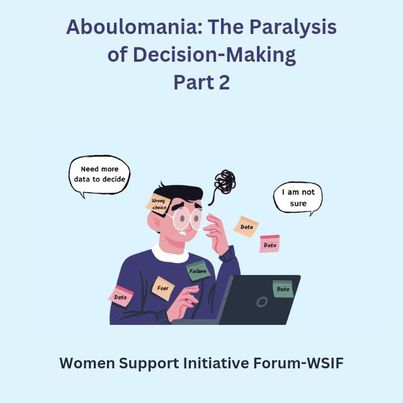
Aboulomania is a captivating yet challenging psychological condition that affects decision-making processes, influencing various aspects of a person’s life. By understanding its definition, causes, symptoms, diagnosis, and available treatment options, individuals and their loved ones can navigate this condition with empathy and seek timely professional help.
Diagnosis
Diagnosing Aboulomania requires a comprehensive assessment by mental health professionals. The specialists conduct interviews and use standardized psychological tests to evaluate the individual’s decision-making patterns and their impact on their daily lives.
Management
Aboulomania can be effectively treated, empowering individuals to regain control over their lives. Mental health professionals often apply different types of treatment methods involving a combination of therapies:
§ Cognitive Behavioral Therapy (CBT): This approach helps identify and challenge negative thought patterns and beliefs, enabling individuals to develop healthier decision-making strategies.
§ Exposure Therapy: Gradual exposure to decision-making situations can desensitize the person to their fears, building confidence and reducing anxiety.
§ Medication: In some cases, medication, such as anti-anxiety or antidepressant drugs, may be prescribed to alleviate symptoms and facilitate therapy.
§ Mindfulness and Relaxation Techniques: Learning to manage stress and anxiety through mindfulness, meditation, and relaxation exercises can be beneficial.
§ Support Groups: Joining support groups or therapy with others who have experienced similar struggles can provide a sense of understanding and encouragement.
Thus, with proper support and intervention, those struggling with Aboulomania can embark on a journey towards empowerment and enhanced quality of life.
