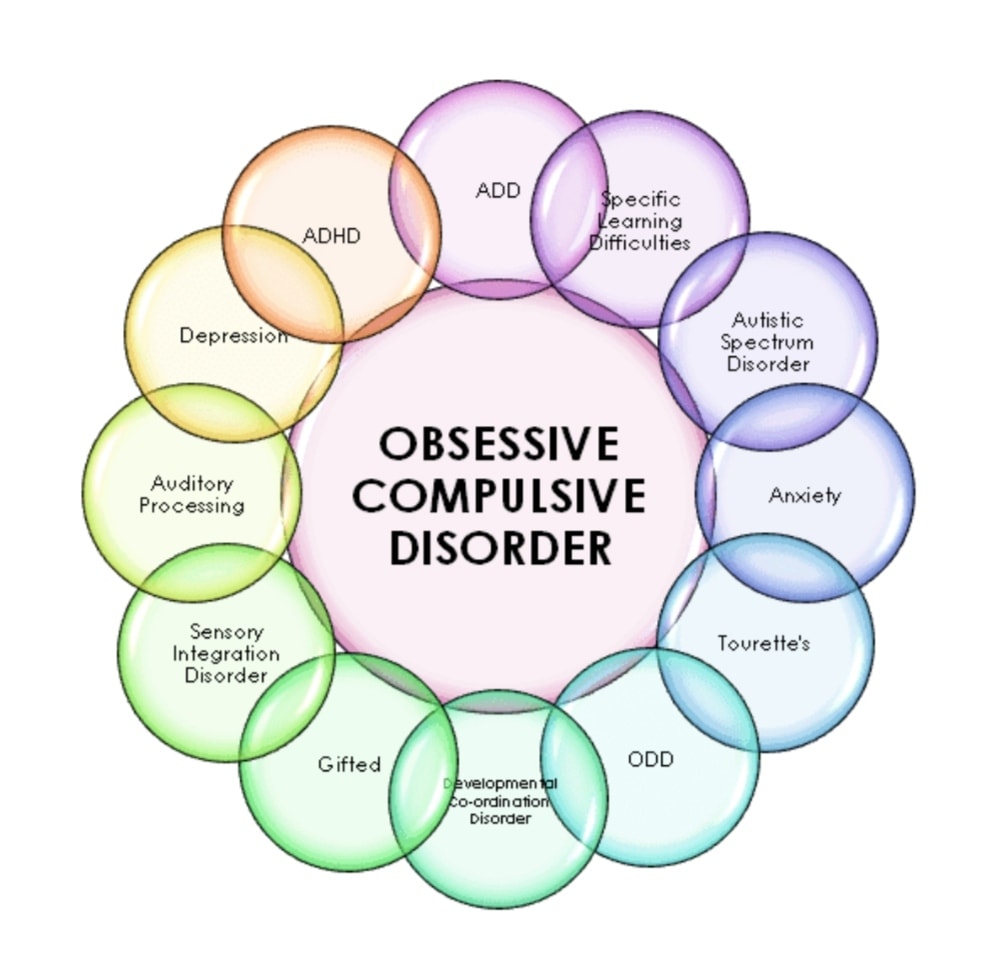
Obsessive-compulsive disorder (OCD) is a disorder in which people have recurring, unwanted thoughts, ideas, sensations or obsessions that make them feel driven to do something repetitively and out of compulsion. The repetitive behaviors, such as hand washing, checking on things, putting a thing at an exact point and panicking if it is otherwise, the constant pressure to be a perfectionist every moment, cleaning or hoarding can significantly interfere and cause intrusion into a person’s daily activities and social interactions.
While many people with OCD know or suspect their obsessions are not true, others may think they could be true. While obsessions are recurrent and persistent thoughts, impulses, or images that cause distressing emotions such as anxiety or disgust, compulsions are repetitive behaviors or mental acts that a person feels driven to perform in response to an obsession.
Although the two main treatments for OCD are psychotherapy and medications, often treatment is most effective with a combination of these. Anyone diagnosed with OCD should step up and take the self-care and wellness rituals seriously, just like every other person, along with their prescribed treatments, as someway or the other the other pressure of being able to be perfect and pleasing most often works as a determinant of OCD in the first place.